High Blood
Pressure
Hypertension affects 1 in 3 adults — yet most feel no symptoms. Understand your numbers, know your risks, and take control.
0M+
Adults in the US
0/80
Healthy target
0%
Undiagnosed
0%
Preventable
What is High Blood Pressure?
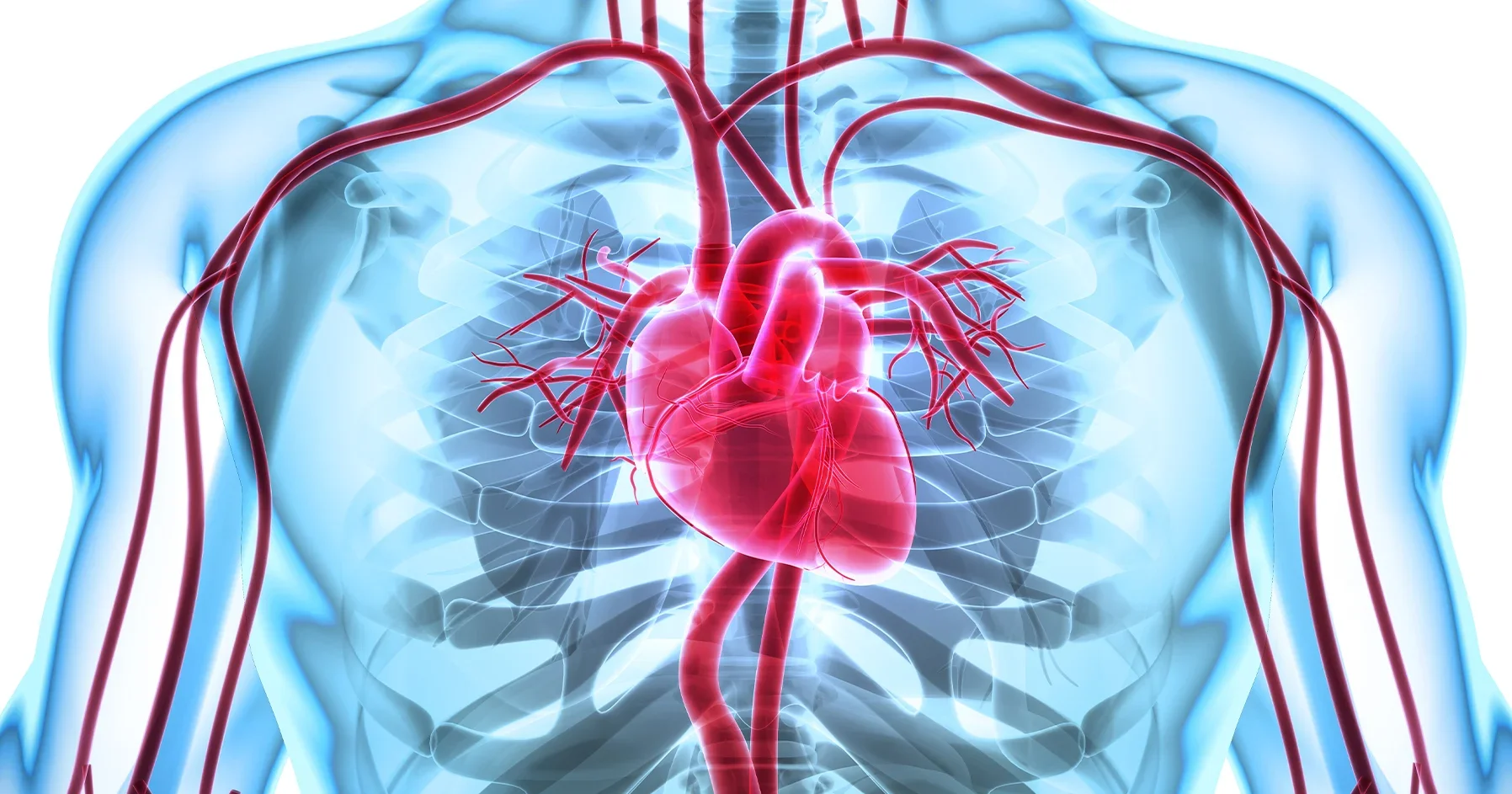
Every time your heart beats, it pumps blood through your arteries. Blood pressure is the force that blood exerts against artery walls. When that force is consistently too high, it strains the heart, damages vessels, and quietly raises the risk of heart attack, stroke, and kidney disease.
Blood pressure is written as two numbers — for example 120/80 mmHg. The top number (systolic) is the pressure during a heartbeat. The bottom (diastolic) is the pressure between beats.
How Pressure Works
What Do the Numbers Mean?
Blood pressure is measured in millimeters of mercury (mmHg). Use the sliders or presets below to explore what different readings mean.
Explore a Reading
High blood pressure. Talk to your doctor about treatment options.
Blood Pressure Ranges
What Raises Blood Pressure?
Tap any factor to learn more. Many of these are within your control.
The Silent Killer
Hypertension is often called the "silent killer" because most people have no symptoms. You can have dangerously high blood pressure and feel completely fine — until the damage shows up as a heart attack or stroke.
This is why regular blood pressure checks are so critical. The only way to know is to measure it.
No headache in most cases
Despite popular belief, most hypertension causes no headache.
Usually no dizziness
Dizziness is rare until blood pressure is extremely high.
No chest pain at rest
Stable hypertension rarely causes pain between episodes.
Damage happens silently
Arteries, heart, kidneys, and eyes can be damaged without any symptoms.
Crisis may cause severe headache, vision changes
A hypertensive crisis IS an emergency — call 911 immediately.
How Hypertension Is Managed
Treatment is tailored to you. Most people benefit from a combination of lifestyle changes and, when needed, medication.
Lifestyle Changes
The foundation of care. Eating well, exercising, reducing sodium, quitting smoking, and managing stress are powerful interventions.
Home Monitoring
Track your BP at home with a validated cuff. Morning readings (before medication, if applicable) give the clearest picture.
Medication
Often added when lifestyle alone isn't enough. Many safe, well-tolerated options are available. Your doctor will find the right fit.
Follow-Up Care
Regular visits let your care team adjust treatment. Once stable, check-ins are usually every 3–6 months.
Small Changes, Big Impact
Check off what you already do — then consider adding one more habit this week.
Common Medication Categories
This is for education only — never start or stop medication without your doctor's guidance.
When to Seek Help
Routine
Schedule- Annual check-ups with your doctor
- BP consistently in normal range
- Starting a new exercise program
- Medication refill needed
Call Your Doctor
Soon- BP regularly above 130/80 at home
- New or unusual headaches
- Medication side effects
- Feeling unwell or fatigued persistently
Emergency
Call 911- BP reading above 180/120
- Severe chest pain or pressure
- Sudden vision changes or loss
- Difficulty speaking or sudden weakness
You Can Manage This
Hypertension is one of the most treatable conditions in medicine. Millions of people live long, active, healthy lives with it. With the right habits and support from your care team, it doesn't have to define your life — it just becomes one thing you manage.
Lower Risk
Treatment cuts stroke risk by up to 40%
Better Numbers
Most patients reach their target within months
Long-Term Health
Controlled BP protects heart, kidneys, and vision
Common Questions
Your Next Steps
Take action today — whether it's learning more or booking with our team.
Book a Visit
Speak with our care team about your blood pressure.
Book now