Understanding
Heart Disease
Heart disease remains the leading cause of death worldwide. Learn about its types, risk factors, and the treatments available to protect your cardiovascular health.
0M
Deaths per year
#0
Cause of death
0%
Preventable
What is Heart Disease?
Heart disease refers to a group of conditions that affect the heart's structure and function. Understanding the different types is key to prevention and treatment.
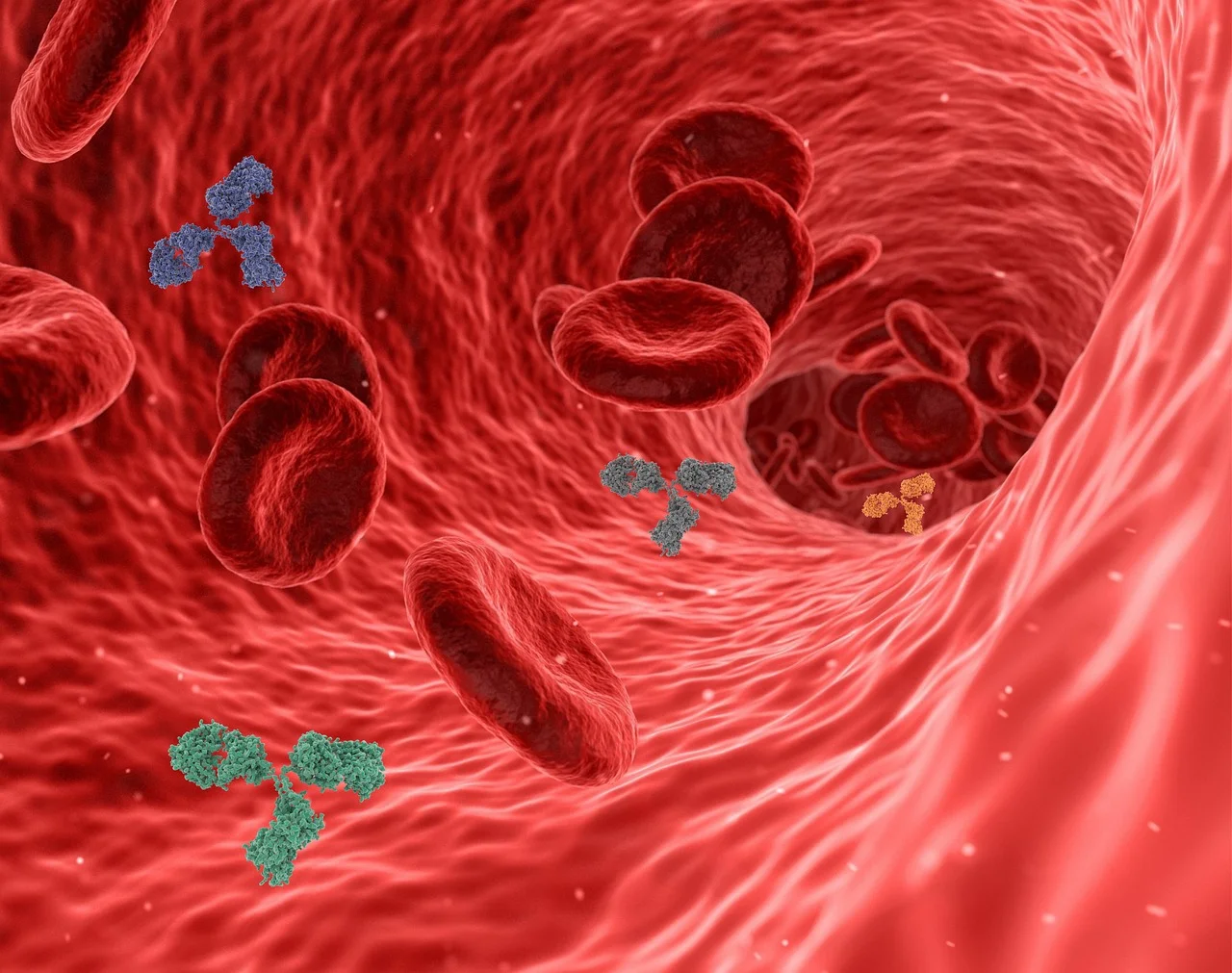
Coronary Artery Disease
The most common type. Plaque buildup narrows or blocks the coronary arteries, reducing blood flow to the heart muscle.
- Caused by atherosclerosis (plaque buildup)
- Can lead to angina (chest pain) or heart attacks
- Main cause of heart attacks worldwide
- Often develops over many years silently
Risk Factors
Understanding risk factors helps you take proactive steps to protect your heart health.
47%
of adults affected
High Blood Pressure
Forces the heart to work harder, damaging artery walls over time
38%
have high LDL
High Cholesterol
Excess cholesterol forms plaque in arteries, restricting blood flow
2x
higher risk
Smoking
Damages blood vessels and significantly increases heart disease risk
42%
obesity rate
Obesity
Strains the cardiovascular system and increases other risk factors
2-4x
higher risk
Diabetes
High blood sugar damages blood vessels and heart-controlling nerves
40%
increased risk
Chronic Stress
Elevates blood pressure and may trigger unhealthy coping behaviors
Recognize the Symptoms
Click on the highlighted areas to learn about common heart disease symptoms. Early recognition can save lives.
Click a highlighted area on the body to see symptom details
Prevention & Healthy Living
Up to 80% of heart disease cases are preventable through lifestyle changes.
0 min
Weekly exercise recommended
0%
Risk reduction with diet changes
0+
Servings of fruits & veggies daily
0 hrs
Sleep for heart health
Heart-Healthy Diet
Focus on fruits, vegetables, whole grains, lean proteins, and omega-3 fatty acids
Regular Exercise
At least 150 minutes of moderate aerobic activity or 75 minutes of vigorous activity weekly
Stress Management
Practice mindfulness, meditation, deep breathing, and ensure adequate sleep
Control Risk Factors
Monitor blood pressure, cholesterol, blood sugar, and maintain healthy weight


Treatment Journey
A comprehensive approach to managing heart disease, from diagnosis through long-term care.

Advanced Cardiac Care
Comprehensive treatment options tailored to your needs
Diagnosis & Assessment
Comprehensive evaluation including ECG, echocardiogram, stress tests, and blood work to determine the type and severity of heart disease.
Medication Therapy
Prescribed medications may include statins, blood thinners, ACE inhibitors, beta-blockers, and antiplatelet drugs tailored to your condition.
Lifestyle Modifications
Heart-healthy diet, regular exercise program, stress management, smoking cessation, and weight management to improve cardiovascular health.
Interventional Procedures
When needed: angioplasty with stenting, cardiac catheterization, valve repair/replacement, or coronary artery bypass grafting (CABG).
Cardiac Rehabilitation
Supervised exercise, education, and counseling program to help recover from heart procedures and improve overall cardiovascular fitness.
Long-term Management
Regular follow-up appointments, ongoing monitoring, medication adjustments, and continued lifestyle management for optimal heart health.
Protect Your Heart Today
Don't wait for symptoms. Schedule a comprehensive cardiovascular screening with our experienced providers. Early detection saves lives.