Intelligent
Diabetes Care
Comprehensive guide to diabetes management, from traditional insulin therapy to modern GLP-1 receptor agonist treatments
What is Diabetes?
Diabetes is a chronic metabolic disorder characterized by elevated blood glucose levels. The body either doesn't produce enough insulin or can't effectively use the insulin it produces.
Insulin is a hormone produced by the pancreas that helps regulate blood sugar levels. It allows glucose from the food we eat to pass from the bloodstream into cells, where it is used for energy. Without proper insulin function, glucose builds up in the blood, leading to serious health complications.
Types of Diabetes
Type 2 Diabetes
Insulin Resistance Condition
What is it?
Type 2 diabetes occurs when the body becomes resistant to insulin or doesn't produce enough insulin to maintain normal glucose levels. It is the most common form of diabetes, accounting for 90-95% of all cases.
Key Characteristics
- Most common form (90-95% of cases)
- Often develops in adults over 45
- Strongly linked to obesity and inactivity
- Can often be managed with lifestyle changes
- Gradual onset of symptoms
Risk Factors
- Family history of diabetes
- Overweight or obesity
- Sedentary lifestyle
- High blood pressure
- History of gestational diabetes
Treatment Approach
First-Line Treatment
Treatment typically starts with lifestyle modifications and oral medications, progressing as needed.
- Metformin (first-choice medication)
- Diet and exercise modifications
- Weight loss (if overweight)
- Blood sugar monitoring
Advanced Treatments
- GLP-1 receptor agonists (Ozempic, Mounjaro)
- SGLT2 inhibitors
- DPP-4 inhibitors
- Insulin therapy (when needed)
Monitoring Goals
- A1C below 7% (or individualized target)
- Fasting glucose: 80-130 mg/dL
- Post-meal glucose: below 180 mg/dL
- Regular kidney and eye exams
Modern GLP-1 Receptor Agonist Therapies
Next-generation medications transforming diabetes and weight management
Ozempic (Semaglutide)
Once-weekly injection
How it works
Mimics the GLP-1 hormone, increasing insulin secretion and reducing glucagon production to lower blood sugar levels.
Benefits
- Lowers A1C by 1.5-2%
- Promotes weight loss (10-15 lbs avg)
- Cardiovascular benefits
- Once-weekly dosing
Dosing
Starting: 0.25 mg weekly
Maintenance: 0.5-2 mg weekly
Wegovy (Semaglutide)
Higher-dose weight management
How it works
Same mechanism as Ozempic but at higher doses specifically approved for chronic weight management.
Benefits
- Average 15% body weight loss
- Improves glycemic control
- Reduces cardiovascular risk
- Decreases appetite
Dosing
Starting: 0.25 mg weekly
Target: 2.4 mg weekly
Mounjaro (Tirzepatide)
Dual GIP/GLP-1 receptor agonist
How it works
First-in-class dual agonist activating both GIP and GLP-1 receptors for superior glucose and weight control.
Benefits
- Superior A1C reduction (2-2.5%)
- Greatest weight loss (up to 20 lbs)
- Improved lipid profile
- Once-weekly injection
Dosing
Starting: 2.5 mg weekly
Maximum: 15 mg weekly
Important Considerations
Common Side Effects
- —Nausea (usually temporary)
- —Diarrhea or constipation
- —Decreased appetite
- —Injection site reactions
Who should not use
- —Personal/family history of medullary thyroid cancer
- —Multiple Endocrine Neoplasia syndrome type 2
- —Severe gastrointestinal disease
- —Pregnant or planning pregnancy
Traditional & Established Therapies
Insulin Therapy
Essential for Type 1, sometimes needed for Type 2
Types of Insulin:
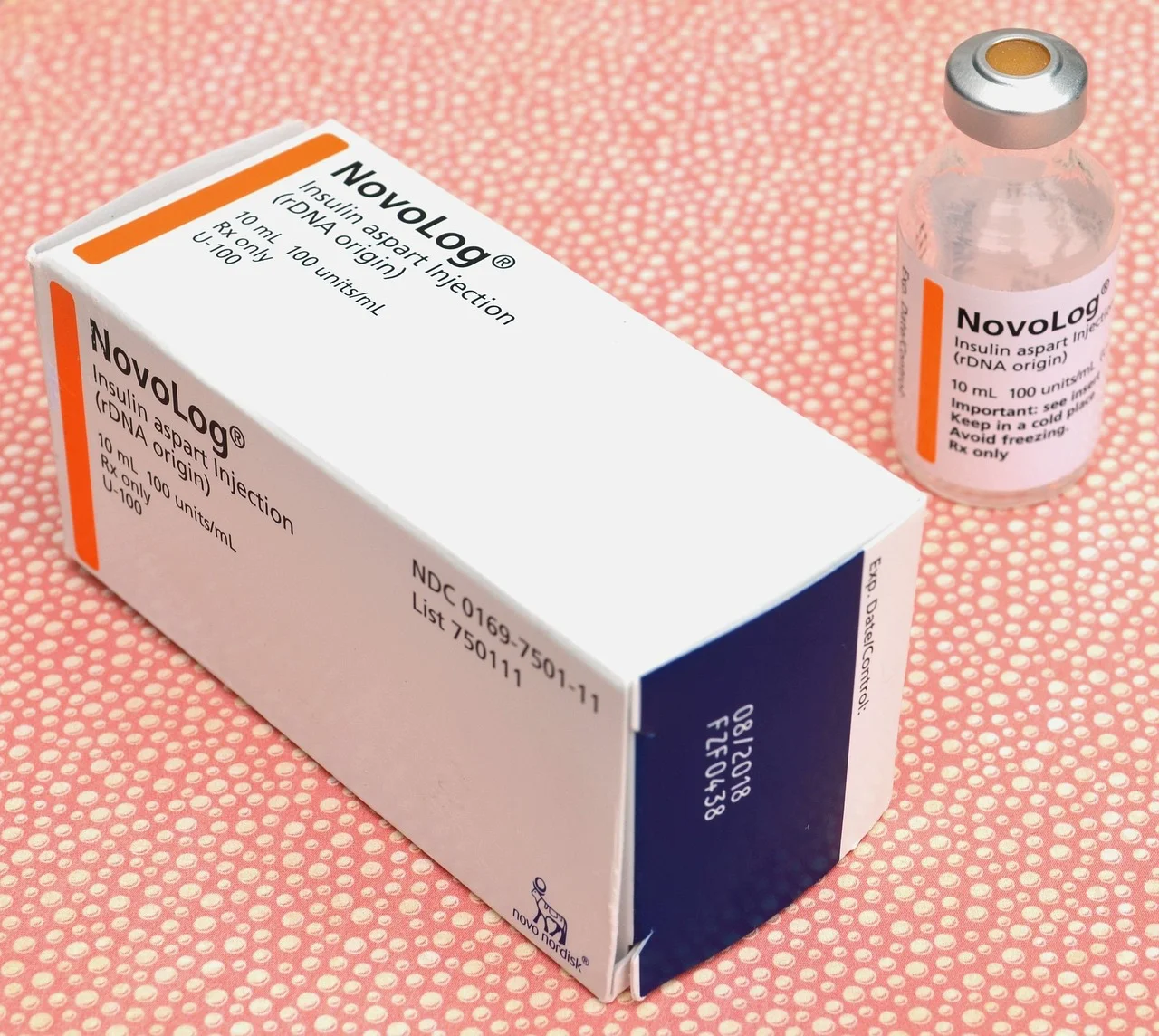
- Rapid-acting: Works in 15 minutes (Humalog, Novolog)
- Short-acting: Works in 30 minutes (Regular insulin)
- Intermediate-acting: Works in 2-4 hours (NPH)
- Long-acting: Works in 1-2 hours, lasts 24+ hours (Lantus, Levemir)
- Ultra-long-acting: Lasts beyond 42 hours (Tresiba)
Delivery Methods:
- Insulin pens (most convenient)
- Vials and syringes
- Insulin pumps (continuous delivery)
- Inhalable insulin (Afrezza)
Oral Medications
First-line treatment for Type 2 diabetes
Metformin (First Choice):
- Reduces glucose production in liver
- Improves insulin sensitivity
- May promote modest weight loss
- Low cost and well-tolerated
Other Oral Medications:
- Sulfonylureas: Stimulate insulin release (Glipizide)
- DPP-4 inhibitors: Increase incretin levels (Januvia)
- SGLT2 inhibitors: Promote glucose excretion in urine (Jardiance)
- Thiazolidinediones: Improve insulin sensitivity (Actos)
Lifestyle Management
Lifestyle modifications are the foundation of diabetes management and can be as effective as medication.



Nutrition
- Focus on complex carbohydrates
- Increase fiber intake (25-30g daily)
- Choose lean proteins
- Limit saturated fats and sugars
- Practice portion control
- Stay hydrated with water
Physical Activity
- 150 minutes/week moderate exercise
- Resistance training 2-3x/week
- Break up prolonged sitting
- Walking after meals helps control blood sugar
- Monitor glucose before/after exercise
- Stay consistent with routine
Monitoring & Care
- Regular A1C testing (every 3-6 months)
- Daily blood glucose monitoring
- Annual eye examinations
- Regular foot checks
- Blood pressure monitoring
- Kidney function tests
Take Control of Your Diabetes
Visit our management page with providers who combine the latest in diabetes, and cutting-edge therapies. Speak with your healthcare provider about the best treatment plan for you.